
SPACE A
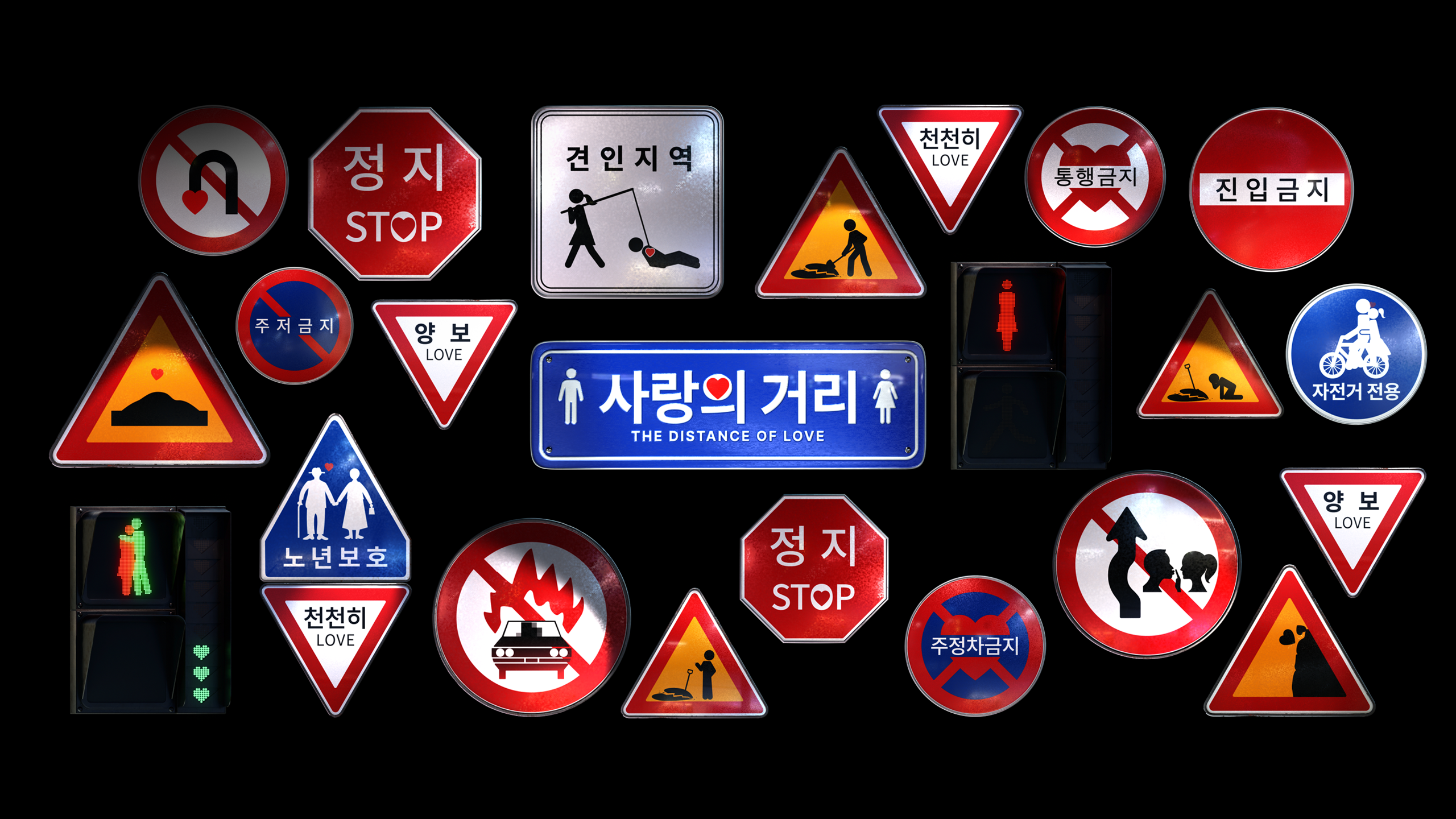
사랑의 거리
〈사랑의 거리〉는 일상의 질서와 규칙을 전달하는 교통표지판을 사랑의 언어로 재해석한 작품이다. 정지, 양보, 진입 금지, 유턴과 같은 익숙한 표지들은 작품 안에서 만남과 이별, 기다림과 배려, 끌림과 밀어냄을 나타내는 감정의 신호로 바뀐다.
사랑에도 때로는 멈춰야 할 순간이 있고, 천천히 다가가거나 서로에게 길을 양보해야 할 때가 있다. 작품은 사랑하는 두 사람 사이에 존재하는 보이지 않는 거리와 규칙을 교통표지판의 직관적인 이미지로 풀어내며, 복잡하고 모순적인 사랑의 모습을 유쾌한 시선으로 바라본다.
Distance of Love
〈The Distance of Love〉 reimagines traffic signs—familiar symbols of order and regulation—as a language of love. Signs such as Stop, Yield, No Entry, and U-turn are transformed into emotional signals representing encounters and farewells, waiting and consideration, attraction and distance.
In love, there are moments when we need to stop, approach each other slowly, or give way. Through the clear and familiar imagery of traffic signs, the work explores the invisible distances and unspoken rules between two people, offering a playful perspective on the complex and contradictory nature of love.
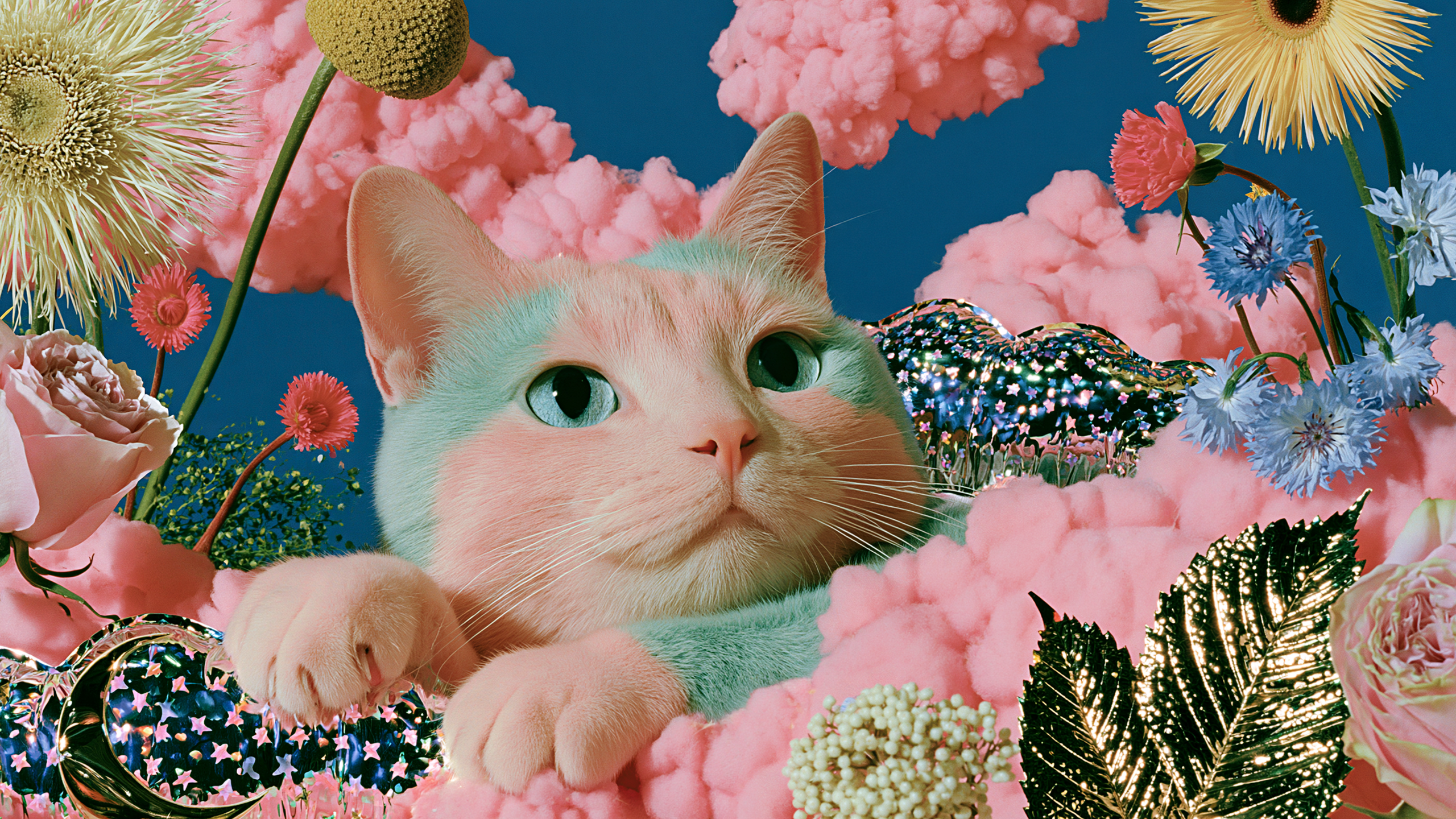
고양이 별
〈고양이별〉은 지구를 떠난 고양이들이 도착하는 고양이들의 천국이다. 이곳에서 고양이들은 슬픔과 아픔 없이, 별빛과 꽃이 가득한 세계를 자유롭게 여행하며 명랑하고 행복하게 살아간다. 그리고 가끔 지구에 남겨진 소중한 존재를 그리워하며 이렇게 말한다.
“나는 여기서 잘 지내.”
Cat Planet
<Cat Planet> is a heaven for cats who have left Earth. Here, free from sadness and pain, they journey through a world filled with starlight and flowers, living freely, joyfully, and happily. And sometimes, when they miss someone dear they left behind on Earth, they softly say,
“I’m doing well here.”
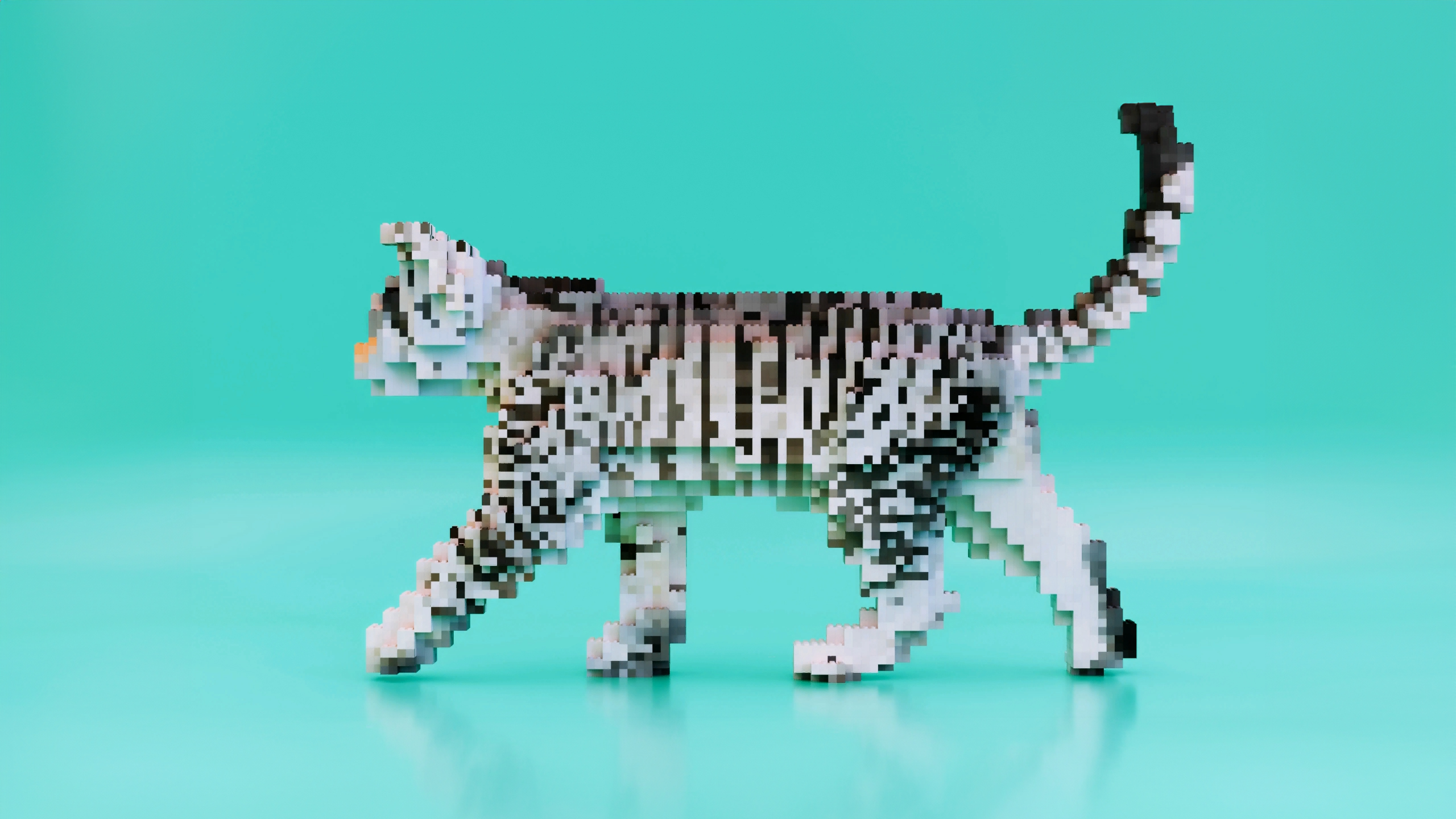
소울시티
화려한 도시의 밤과 소울 가득한 펑키 리듬은 자이언트 캣의 발걸음을 당차게 만든다. 이 작품은 도시의 활력과 자유로움을 상징하는 자이언트 캣의 모습을 다양한 각도와 시점으로 표현한다.
Soul City
The dazzling city lights and soulful, funky rhythms give the Giant Cat a bold and confident stride. Through a variety of angles and perspectives, the work portrays the Giant Cat as a symbol of the city’s vibrant energy and sense of freedom.
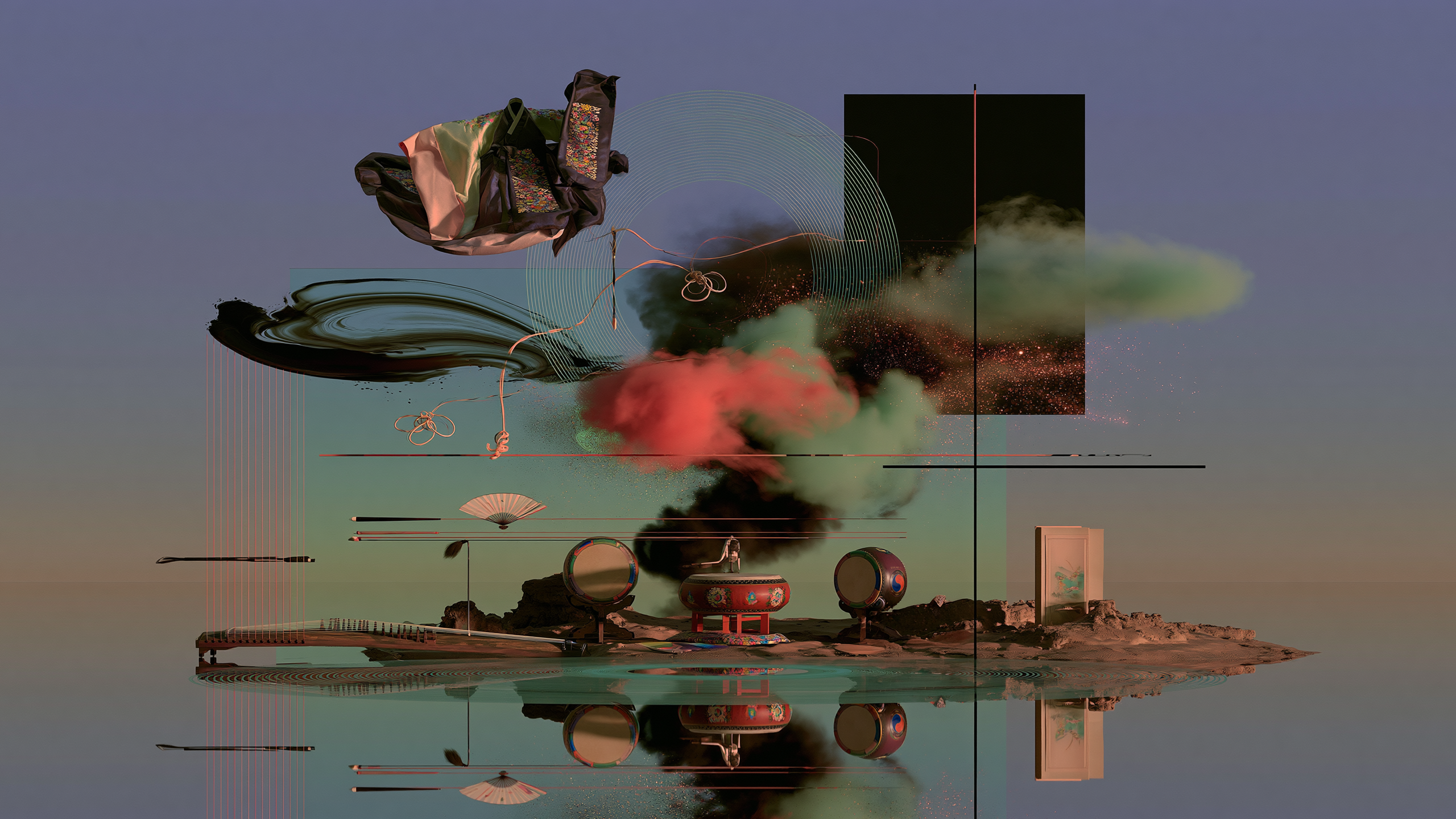
뿌리
〈뿌리〉는 대한민국을 하나의 고정된 이미지나 상징으로 설명하지 않는다. 산과 도시, 계절과 주거, 전통과 기술, 기억과 예술처럼 서로 다른 시간과 삶의 층위가 오늘의 대한민국을 어떻게 형성했는지 바라본다.
여기서 뿌리는 과거로 돌아가기 위한 표식이 아니다. 땅속에 머물면서도 끊임없이 새로운 가지와 형태를 만들어내는 힘이다. 오래된 문화는 현대의 도시와 생활 속에서 변형되고, 개인의 기억은 사회의 구조와 연결되며, 전통은 현재의 감각을 통과해 다시 움직이기 시작한다.
각 작품은 대한민국을 구성하는 하나의 단면이다. 서로 다른 장면들은 독립적으로 존재하지만, 함께 놓였을 때 한 사회의 깊고 복합적인 뿌리를 형성한다.
〈뿌리〉는 우리가 어디에서 시작되었는지뿐 아니라, 그 시작이 지금의 삶 속에서 어떤 모습으로 계속 자라고 있는지를 묻는다.
Roots
〈Roots〉 does not define South Korea through a single fixed image or symbol. Instead, it explores how different layers of time and life—mountains and cities, seasons and homes, tradition and technology, memory and art—have come together to shape South Korea today.
Here, roots are not markers pointing us back to the past. They are a living force that remains beneath the ground while continuously giving rise to new branches and forms. Long-standing traditions are transformed within contemporary cities and everyday life; personal memories become intertwined with social structures; and tradition begins to move again through the sensibilities of the present.
Each work reveals a distinct cross-section of South Korea. While the scenes exist independently, together they form the deep and complex roots of a society.
〈Roots〉 asks not only where we began, but also how those beginnings continue to grow and take shape in our lives today.

사랑
〈사랑〉은 끌림과 밀어냄, 가까움과 단절처럼 사랑 안에 공존하는 모순된 감정을 가장 단순한 도형과 물리적 움직임으로 표현한 작품이다.
서로를 향해 움직이지만 보이지 않는 힘에 의해 멀어지고, 아주 가까이 있으면서도 작은 벽 하나 때문에 끝내 만나지 못하는 두 존재의 모습을 담는다.
반복되는 접근과 이탈, 충돌과 균형을 통해 사랑이란 완전한 결합이 아니라, 서로에게 닿고자 끊임없이 움직이는 과정임을 이야기한다.
LOVE
Love is a work that expresses the contradictory emotions that coexist within love—attraction and repulsion, closeness and separation—through the simplest geometric forms and physical movements.
Two beings move toward one another, only to be pulled apart by an invisible force. Though they may be almost within reach, a small barrier keeps them from ever truly meeting.
Through repeated cycles of approach and withdrawal, collision and balance, the work suggests that love is not a state of perfect union, but an ongoing process of constantly moving toward one another, trying to connect.
